Cannabis has gone through one of the most dramatic transformations in modern consumer culture. For decades, the plant was associated almost entirely with traditional smoking. Today, it exists in an expanding universe of formats—each designed for different preferences, lifestyles, and levels of experience. What was once a single type of product has become an entire category with its own innovations, technologies, and trends.
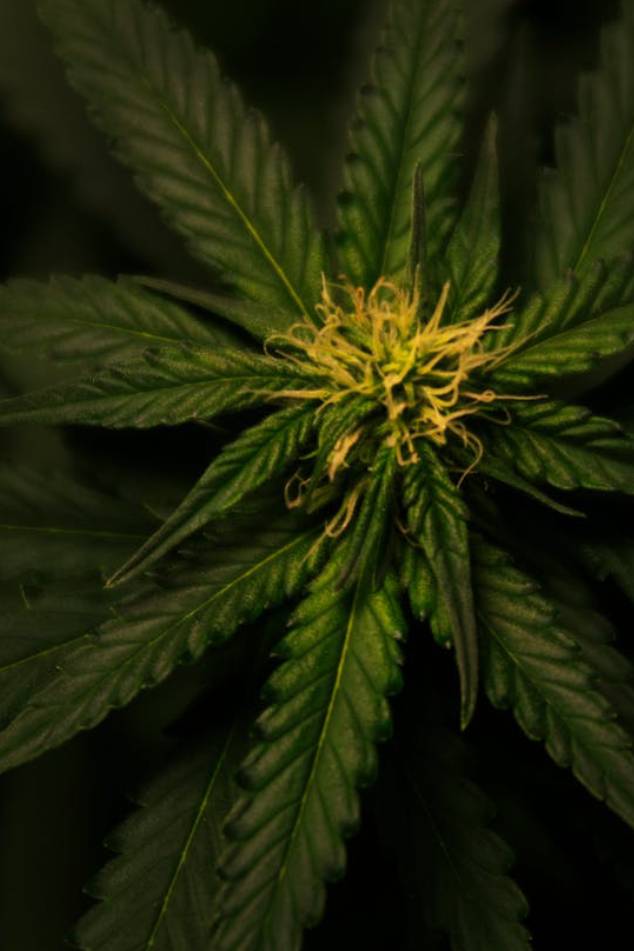
The story starts with the classic form: flower, the dried buds of the cannabis plant. For many people, this remains the most familiar option. Flower allows users to appreciate aroma, flavor, and the subtle differences between strains. It’s flexible, relatively simple, and deeply rooted in cannabis culture. But as legalization spread in various regions, consumers began looking for more controlled, discreet, or convenient ways to experience cannabis. That curiosity helped spark a wave of new product development.
One of the earliest alternatives to flower was the vaporizer, often called a vape. Vaporizing heats cannabis oil or plant material to a temperature that releases active compounds without combustion. Many people find vaporizers appealing because they’re portable and don’t produce the smoke or strong scent associated with traditional methods. This helped open the door to cannabis for users who preferred a subtle approach.
The real boom, however, came with edibles—most notably gummies. Gummies quickly became one of the most popular cannabis products because they’re familiar, easy to use, and come in precise serving sizes. Instead of estimating potency, consumers can read a label and know exactly how many milligrams of THC or CBD they’re taking. This consistency helped build trust at a time when cannabis products were just beginning to enter mainstream wellness conversations.
Advances in infusion techniques also changed the landscape. Modern manufacturers use methods such as nano-emulsification, which breaks down cannabinoids into extremely tiny particles that blend smoothly into liquids and are absorbed more efficiently. This technology made cannabis beverages possible and improved the reliability of edibles overall. Gummies became more consistent, chocolates gained smoother textures, and drinks offered a refreshing, low-key alternative to alcohol for some consumers.
Another major evolution came from topicals—lotions, balms, and creams infused with cannabinoids. These products don’t cause intoxicating effects because the compounds generally don’t reach the bloodstream when applied to skin. Instead, topicals are often used for localized application, appealing to people interested in cannabis without wanting to ingest it.
Alongside these innovations, the variety of cannabinoids themselves has expanded. Instead of focusing solely on THC, products now highlight CBD, CBG, CBN, and blends designed for different experiences. Each compound interacts with the body’s endocannabinoid system in its own way, and ongoing research continues to shape how these ingredients are used in formulations.
Even with all this growth, the landscape remains shaped by regulations that differ from state to state. Legal markets define how products are tested, labeled, packaged, and sold. These rules influence everything from potency limits to packaging designs, leading to a wide range of consumer experiences depending on location.
What stands out most about the evolving world of cannabis products is how quickly the plant has adapted to modern lifestyles. Whether someone prefers the simplicity of flower, the discretion of a vape, or the consistency of a gummy, cannabis now offers options that fit a wide range of preferences. The evolution isn’t just about novelty—it reflects a broader shift toward personalization, choice, and thoughtful product design.