For two plants that share almost the same genetic identity, cannabis and hemp have managed to spark more confusion than nearly any other crops on the planet. People often think of them as completely separate species—one associated with recreational use, the other tied to wellness products and industrial fiber. In reality, hemp and cannabis come from the same species, Cannabis sativa, and the difference between them comes down to a legal definition, not botanical destiny.
Hemp is legally defined in the United States as cannabis that contains 0.3% THC or less on a dry-weight basis. THC, short for tetrahydrocannabinol, is the compound responsible for the intoxicating effects associated with marijuana. When a plant stays below that threshold, federal law considers it hemp. If it grows above that limit—even accidentally—it is classified as cannabis under federal law, with all the restrictions that come with that label. A single decimal point decides its future.
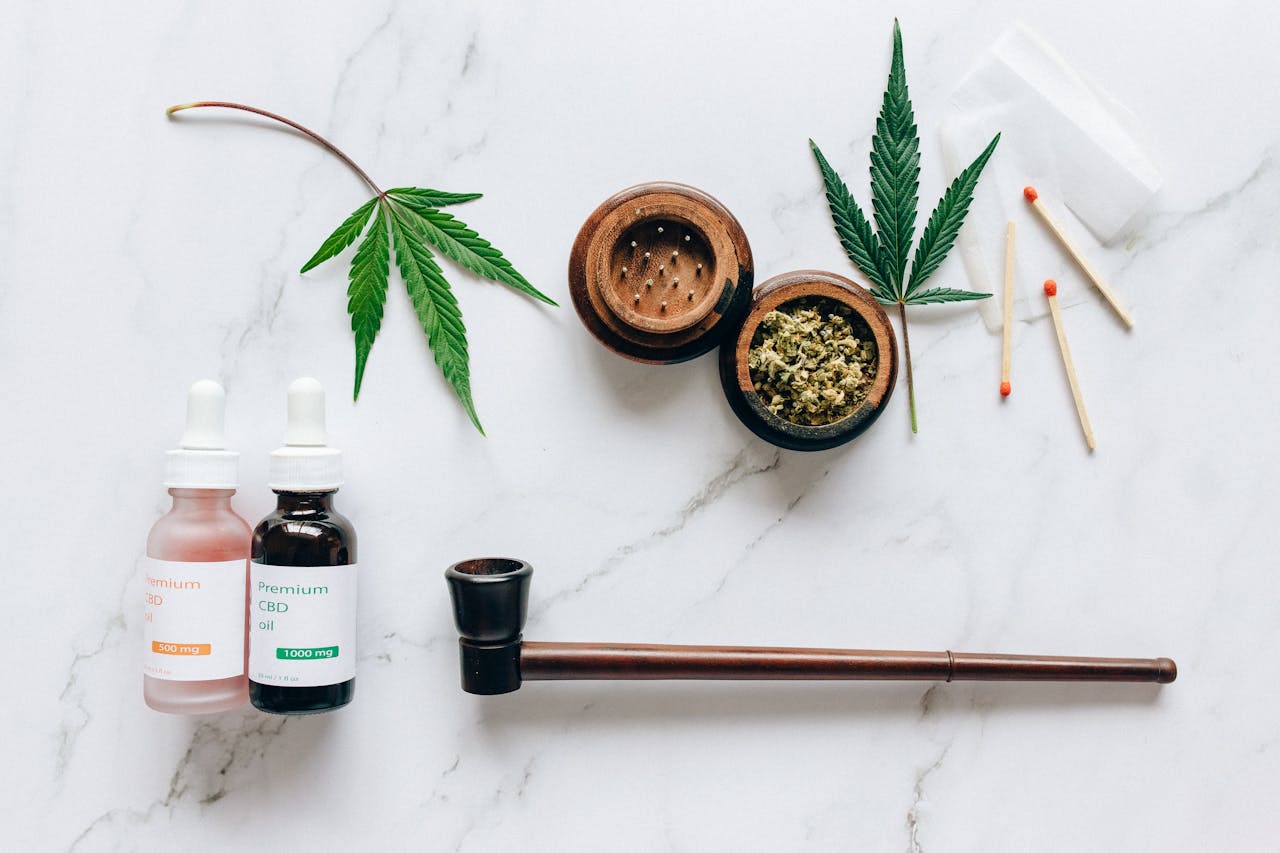
This dividing line explains the very different roles these plants play. Hemp is cultivated primarily for three things: fiber, seeds, and cannabinoids like CBD. Fiber hemp grows tall and thin, bred for strong stalks that can be processed into textiles, rope, building materials, and biodegradable plastics. Seed hemp, often called “grain hemp,” is grown for its nutrient-rich seeds, which are used in foods ranging from granola bars to cooking oil. Then there’s cannabinoid-rich hemp—the bushier plants with dense flowers that contain CBD, CBG, and other non-intoxicating compounds extracted for wellness products.
Cannabis grown for recreational or medical markets has a completely different focus. These plants are bred for resin-rich flowers, with higher concentrations of THC and a complex mix of aromatic compounds called terpenes. Terpenes—responsible for scents like citrus, pine, or diesel—play a big role in the character of each strain. Growers shape these plants with careful lighting, nutrients, and environmental control, aiming for consistent potency and flavor.
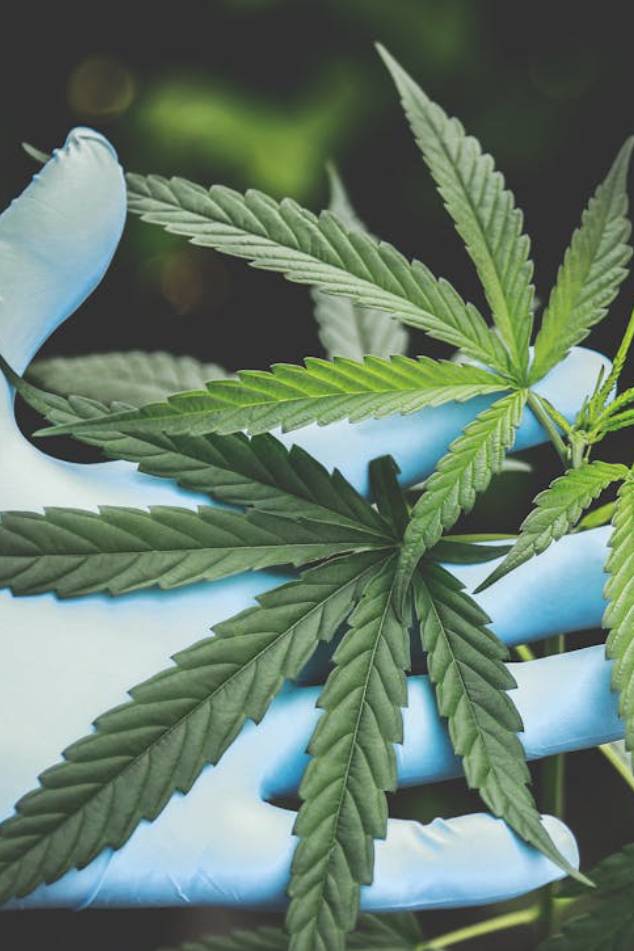
Because hemp and cannabis share the same species, they look remarkably similar in early growth stages. Only laboratory testing can confirm THC levels. Farmers growing hemp must follow strict testing rules, because a crop that accidentally exceeds the legal limit can be declared non-compliant, forcing the grower to destroy it. That risk makes hemp farming a careful balance of science, timing, and strain selection.
Where consumers sometimes get mixed up is in what the products actually do. Hemp-derived CBD products are widely available and federally legal as long as they meet the THC limits. Cannabis products with higher THC are regulated at the state level, with availability depending entirely on local laws. Both exist on the same botanical family tree—they just occupy different legal worlds.
Understanding the difference between hemp and cannabis helps clear away years of misconception. One plant can be used to make building materials, clothing, food, tinctures, and wellness products. The other is cultivated for its psychoactive and aromatic qualities. They’re close relatives with different roles, shaped not by nature alone, but by the laws that define them.