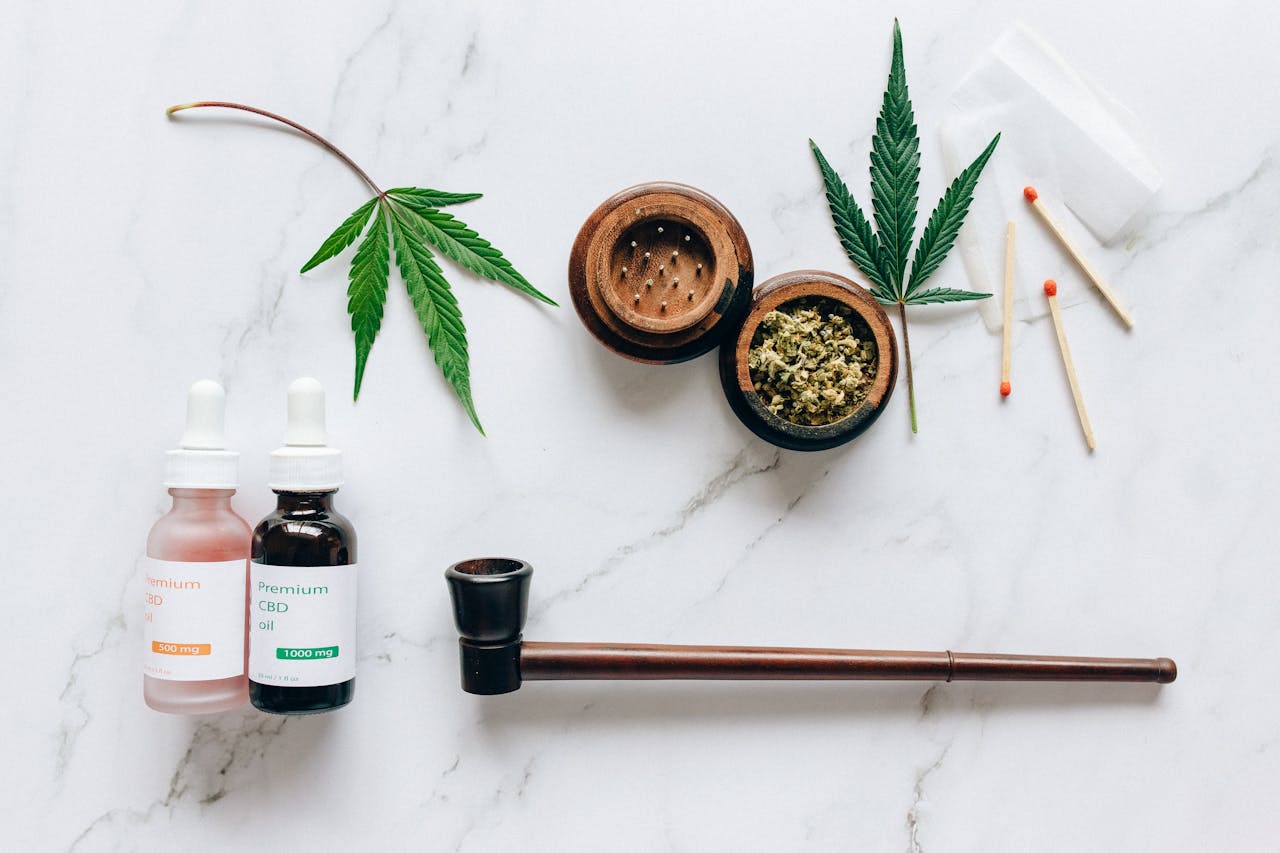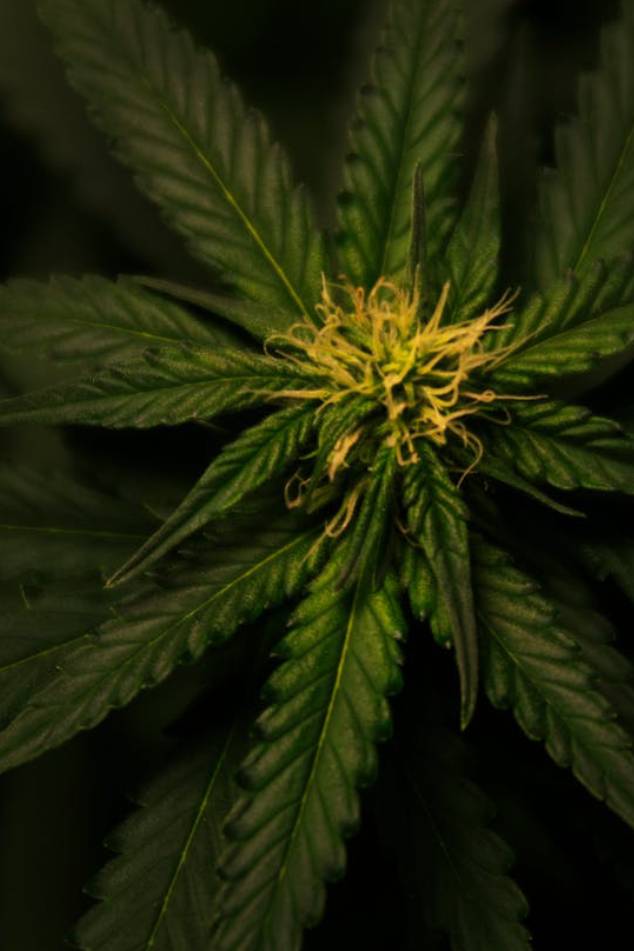
Hemp has spent most of its history in the background—woven into rope, pressed into oil, mixed into paper, and quietly powering industries without much attention. Yet over the last decade, this humble plant has taken on a surprising new role in the wellness world. Instead of sailing ships or holding up canvas tents, hemp now shows up in tinctures, gummies, skincare products, and calming routines across the country. Its rise has been less dramatic than the booming cannabis market, but no less influential.
The modern wellness wave around hemp began with one key turning point: the 2018 Farm Bill. That piece of legislation made hemp legal at the federal level in the United States, as long as the plant contains 0.3% THC or less. THC is the compound responsible for the “high” in cannabis, so keeping that level low means hemp products don’t have intoxicating effects. With this legal shift, farmers, researchers, and product creators suddenly had room to explore hemp in a new way.
One of the biggest reasons hemp moved into wellness is the presence of naturally occurring compounds called cannabinoids—most famously CBD, but also lesser-known ones like CBG and CBN. These cannabinoids don’t produce intoxication, and they’ve been embraced for their potential to support relaxation, daily balance, or general well-being without altering perception. While researchers continue to study these compounds, consumers have gravitated toward them for everyday routines, looking for gentle ways to unwind or reset.
Hemp-derived CBD took off quickly because it fit into modern life without requiring major lifestyle changes. It can be infused into oils, capsules, gummies, lotions, and even beverages. Each format appeals to a different type of user. Oils allow precise control over serving size. Gummies are familiar and convenient. Topicals appeal to people interested in targeted application rather than ingestion. Hemp’s versatility lets it adapt to all of these formats without dominating them—in that sense, it behaves more like a supporting ingredient than a headline act.
Another reason hemp blends so easily into wellness is the way it’s produced. Many brands use CO₂ extraction, a method that relies on pressurized carbon dioxide to pull cannabinoids from hemp flowers. This process is clean, efficient, and avoids harsh solvents. Because hemp is grown in large, open fields rather than controlled indoor environments, it also tends to have a smaller environmental footprint compared to high-THC cannabis. For consumers who value sustainability, that’s a meaningful detail.
Of course, the regulatory landscape still varies from state to state. Hemp is federally legal, but local rules about production, labeling, and retail sales can differ. Even with those complications, hemp products have continued to spread because they fit comfortably within mainstream wellness culture. They sit on shelves next to herbal supplements, natural balms, and functional beverages—not in locked dispensary cases.
What makes hemp the quiet workhorse of modern wellness isn’t hype or trend chasing. It’s the plant’s ability to show up in everyday routines without overwhelming them. Hemp adapts, blends, and supports. Its role isn’t dramatic; it’s dependable. And for many people exploring natural wellness products, that steady presence is exactly what they’re looking for.